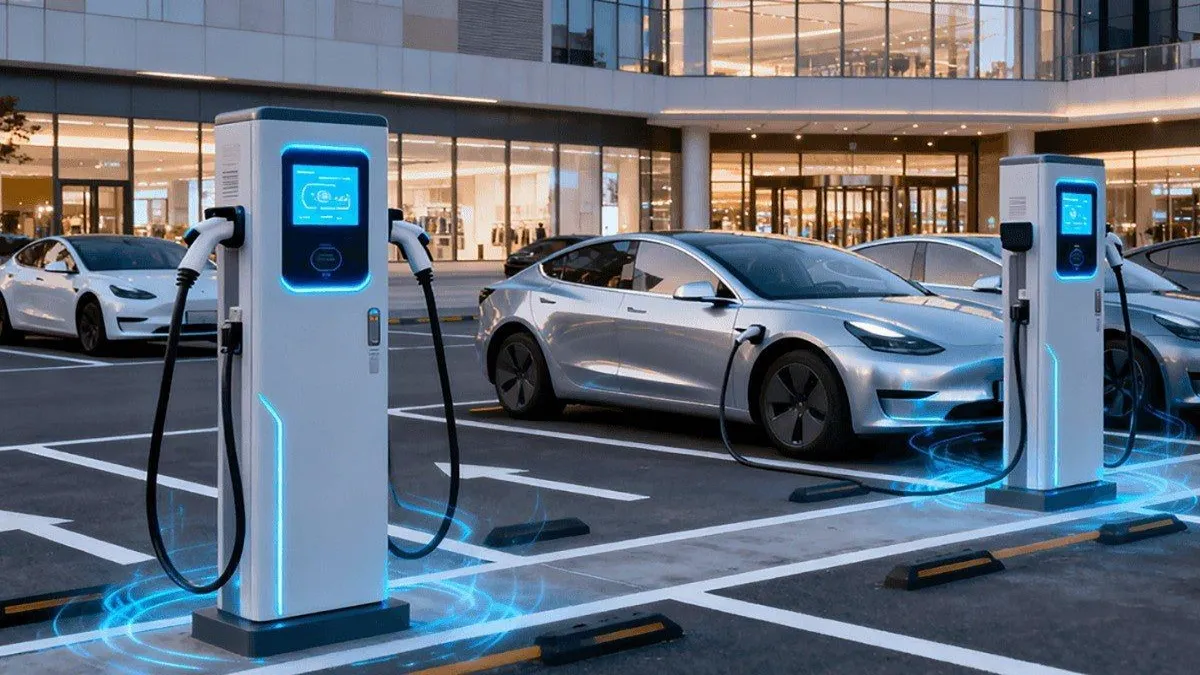
Electric Cars vs Petrol Cars The automobile industry is experiencing major changes as electric vehicles become more widely available. Many buyers now compare electric cars with traditional petrol-powered vehicles before making a purchasing decision.
Both options have advantages and limitations. The better choice depends on driving habits, budget, charging access, and personal preferences.
How Electric Cars Work
Electric vehicles use rechargeable battery packs to power electric motors. Instead of visiting a petrol station, owners charge their vehicles using compatible charging equipment.
Many electric cars also use regenerative braking, which helps recover some energy during deceleration.
How Petrol Cars Work
Petrol vehicles use internal combustion engines that burn fuel to generate power.
They are supported by an established network of petrol stations, making refueling convenient in many locations.
Electric Cars vs Petrol Cars
| Feature | Electric Cars | Petrol Cars |
|---|---|---|
| Energy Source | Electricity | Petrol |
| Engine Type | Electric Motor | Combustion Engine |
| Refueling | Battery Charging | Petrol Station |
| Routine Maintenance | Generally Fewer Engine Components | More Engine Components |
| Driving Noise | Usually Quieter | Usually Louder |
| Long Trips | Charging Planning May Be Needed | Established Fuel Network |
Which Option Is More Economical?
Electric cars can offer lower energy and routine maintenance costs in some situations. However, the total ownership cost depends on electricity prices, battery capacity, purchase price, insurance, and charging equipment.
Petrol cars may offer a lower purchase price in some market segments, although fuel and maintenance expenses can add up over time.
Environmental Considerations
Electric vehicles produce no tailpipe emissions while driving. However, their overall environmental impact also depends on electricity generation, battery manufacturing, and vehicle production.
Petrol vehicles release exhaust emissions during operation.
How to Choose the Right Vehicle
Consider your daily driving distance, availability of charging facilities, expected ownership period, and total budget.
Conclusion
Electric and petrol cars serve different needs. Buyers should compare total ownership costs and practical requirements rather than choosing only on the basis of technology.
1. Are electric cars cheaper to operate?
They can be cheaper in certain conditions, depending on electricity and maintenance costs.
2. Do electric cars need charging stations?
Yes, they require access to compatible charging equipment.
3. Are petrol cars suitable for long journeys?
They can be convenient because petrol stations are widely established in many regions.
4. Which car should a first-time buyer choose?
The decision should depend on budget, local infrastructure, and personal driving requirements.